How can you tell if a diamond is lab-grown?
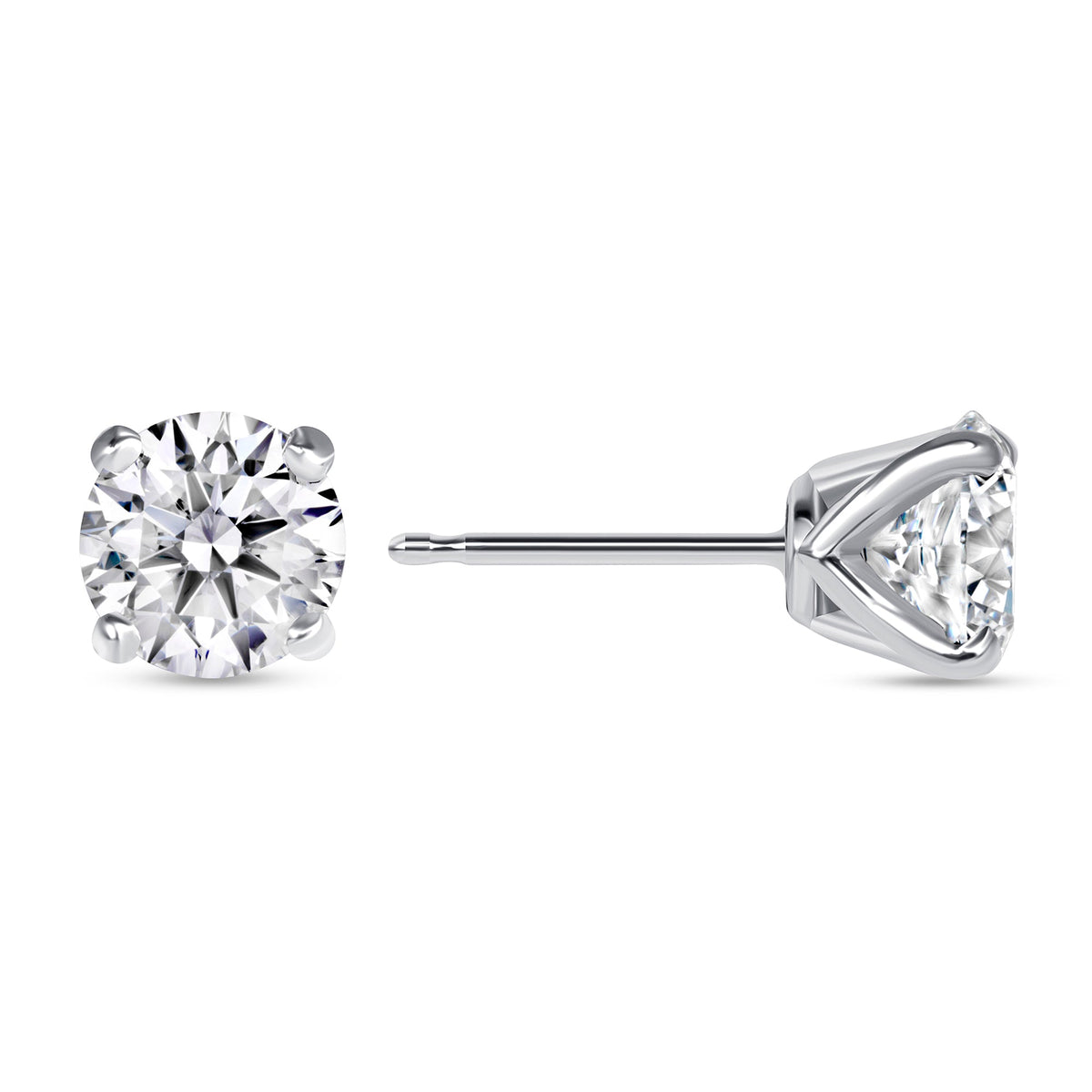
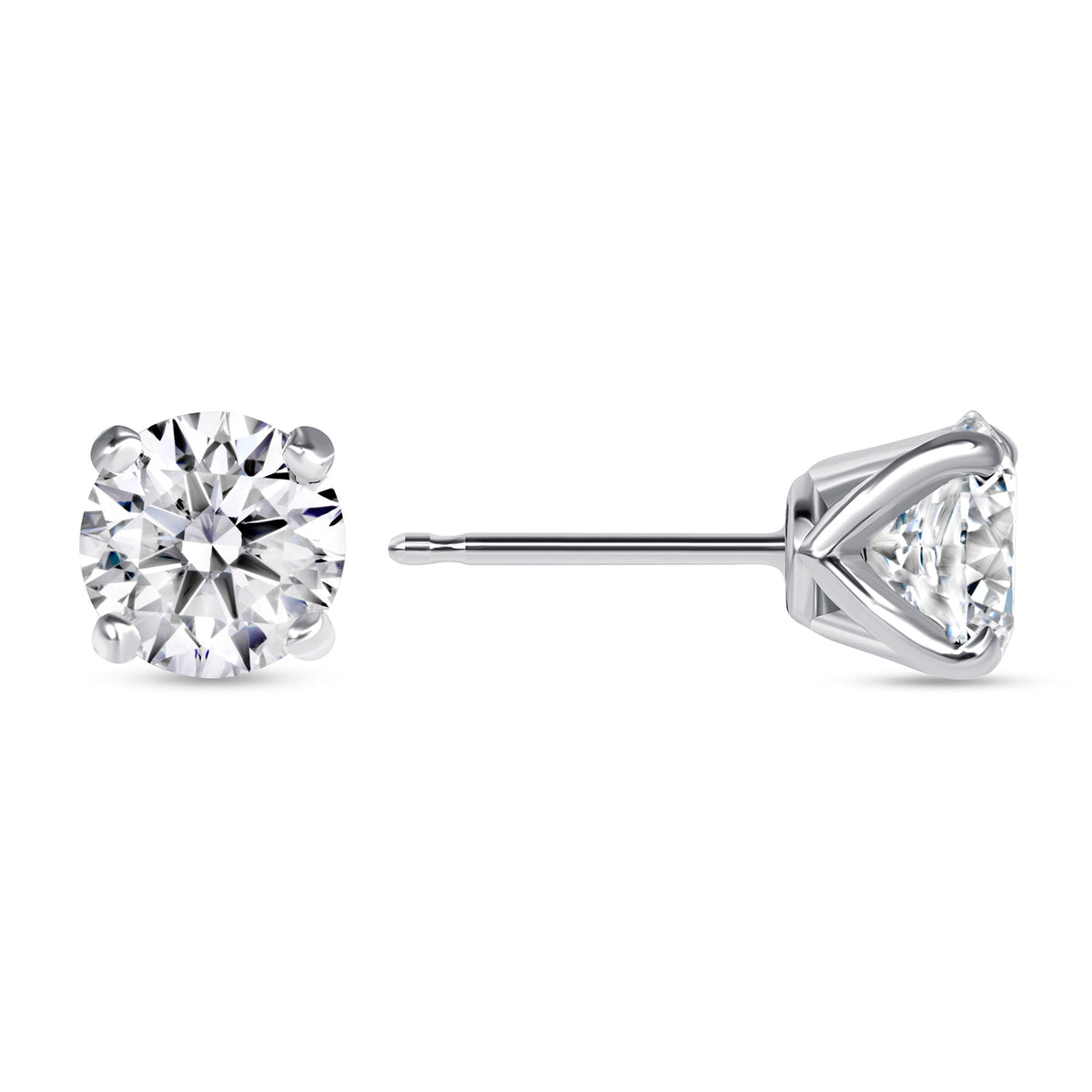
You cannot tell by looking, and neither can a jeweler without equipment. A lab-grown diamond has the same optical and physical properties as a mined one, so origin is established by laboratory testing and documentation rather than by eye.
Why the usual tests do not work
A handheld diamond tester measures thermal or electrical conductivity. It is designed to separate diamond from cubic zirconia and moissanite, materials that are not diamond at all.
A lab-grown diamond is diamond. It passes that test because it should. The tester is answering a different question from the one you are asking.
What laboratories actually look for
Natural and laboratory diamonds grow by different processes, and those processes leave traces at a level far below what the eye reaches:
- Growth patterns. The internal structure records how the crystal formed
- Spectroscopic signatures, how the stone absorbs and emits light at specific wavelengths
- Trace elements, residues characteristic of one environment or the other
- Fluorescence and phosphorescence, behavior under controlled ultraviolet light
Reading these requires spectroscopic instruments, not magnification. The GIA describes the same constraint in its own guidance on identifying laboratory-grown diamonds.
The practical answer: read the inscription
Most graded lab-grown diamonds carry a laser inscription on the girdle. The narrow band around the widest part of the stone. It is invisible without magnification and corresponds to a grading report number.
Any jeweler can read it under a loupe, and the number can be checked against the laboratory's own database. That is how origin is confirmed in practice: documentation you can verify, not a test you can run at home.
What this means when you are buying
Since appearance carries no information about origin, the seller's documentation is the whole story. Ask for the grading report, check the laboratory, and check the report number resolves.
A seller who cannot produce one is asking you to take their word for something that is specifically designed to be verifiable.
Rosette's answer
Every stone we set is independently graded by IGI at D–E color and VVS2–VS1 clarity, on the same 4C scale used for mined diamonds. The certificate is available on request and ships in the box.
We say lab-grown on every product page because it is a fact about the stone, not a caveat. What an IGI report actually tells you.