Are lab-grown diamonds worth it?
If you want the most diamond, the best quality and the largest stone your budget allows, a lab-grown diamond is worth it. If your priority is rarity and resale, a mined diamond fits that goal better. Those are genuinely different purchases and it is worth being clear which one you are making.
A lab-grown diamond is a diamond
Same carbon, same crystal structure, same 10 on the Mohs hardness scale, graded on the same 4C scale by the same independent laboratories. The difference is where it formed, not what it is.
The GIA is explicit that natural and laboratory-grown diamonds share such similar properties that reliable origin identification requires specialized laboratory testing, their own FAQ says so.
Why they cost less
A lab-grown diamond forms in weeks inside a controlled facility rather than over billions of years underground. That removes the cost of mining and a long international supply chain.
What it buys you is straightforward: more carat weight, or higher color and clarity, or more of your budget going into the setting and the craftsmanship rather than the stone. At the weights we work in, it is often the difference between a piece being achievable and being a five-figure decision.
The resale question, answered honestly
Lab-grown diamonds have a weaker secondary market and lower resale value than mined stones. Wholesale lab-grown prices have fallen as production capacity has grown, and that trend has continued.
We would rather you knew that before buying than after.
Here is the part worth thinking about, though: almost nobody recovers what they paid for a mined diamond either. Retail carries a markup that the resale market does not return, and a ring bought at retail and sold second-hand typically comes back at a fraction of its price. Jewelry is a poor financial instrument in both directions.
So what is the value question?
If the piece is going to be worn rather than traded, resale is close to irrelevant and the real questions are simpler:
- How often will I actually wear it?
- How good is the stone I can get for this budget?
- How well is it made, and will it survive daily wear?
- How much diamond presence do I want?
On every one of those, a lab-grown diamond puts you further ahead for the same money.
When a mined diamond is the better choice
If the piece is intended as a store of value, if provenance and rarity are the point, or if it is going into a collection rather than onto a hand, those are real reasons, and a mined stone serves them better. We do not think there is a wrong answer here, only a mismatched one.
Where we land
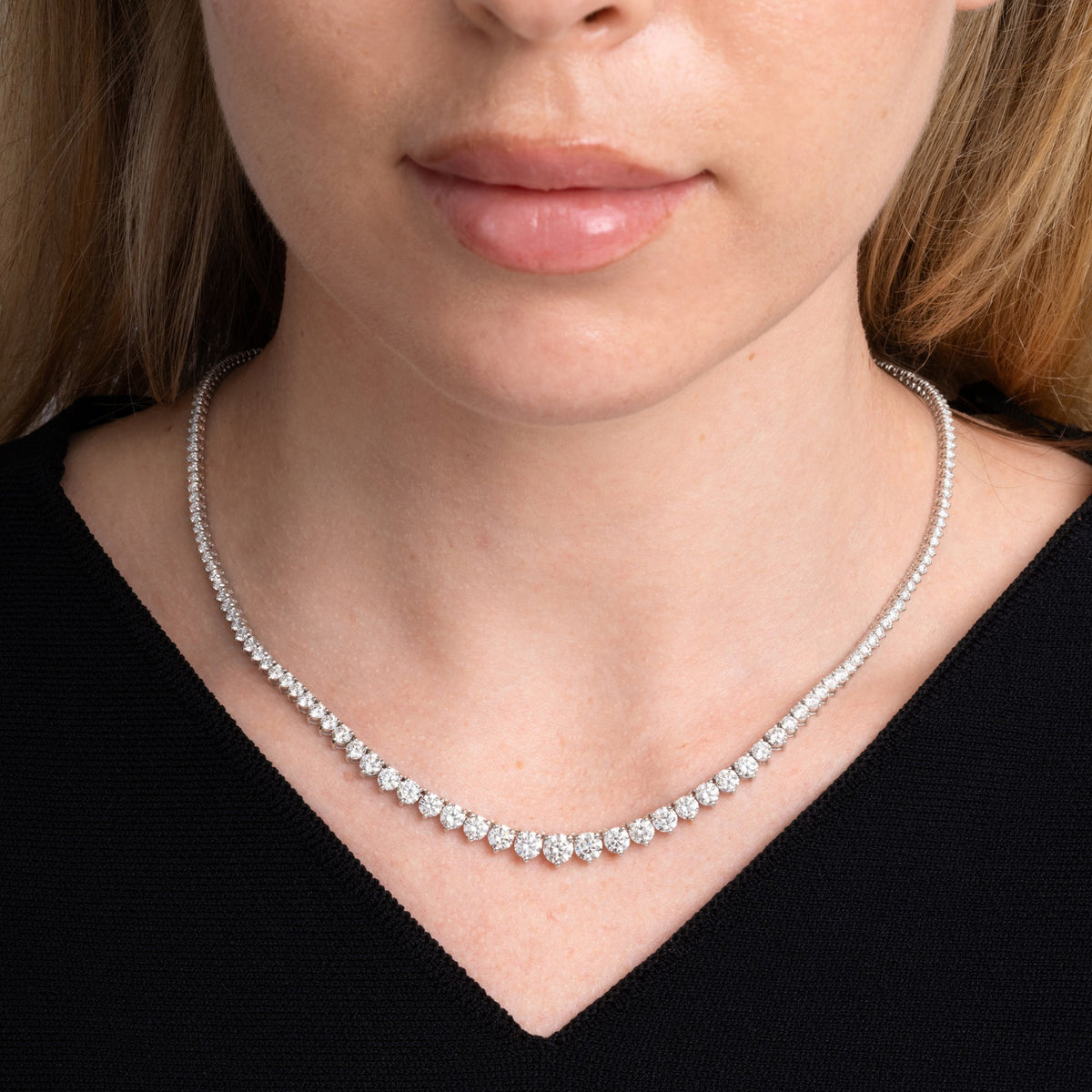
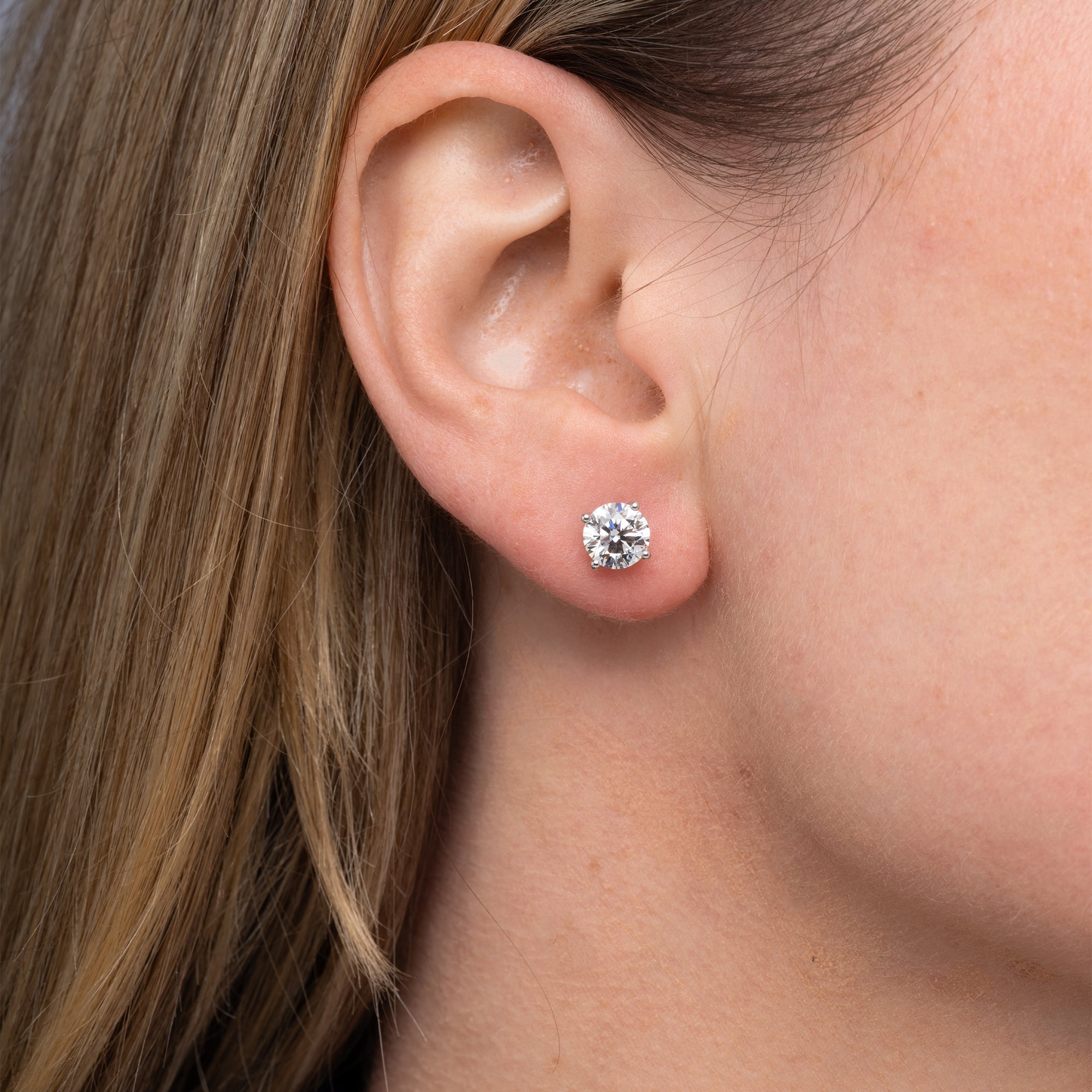
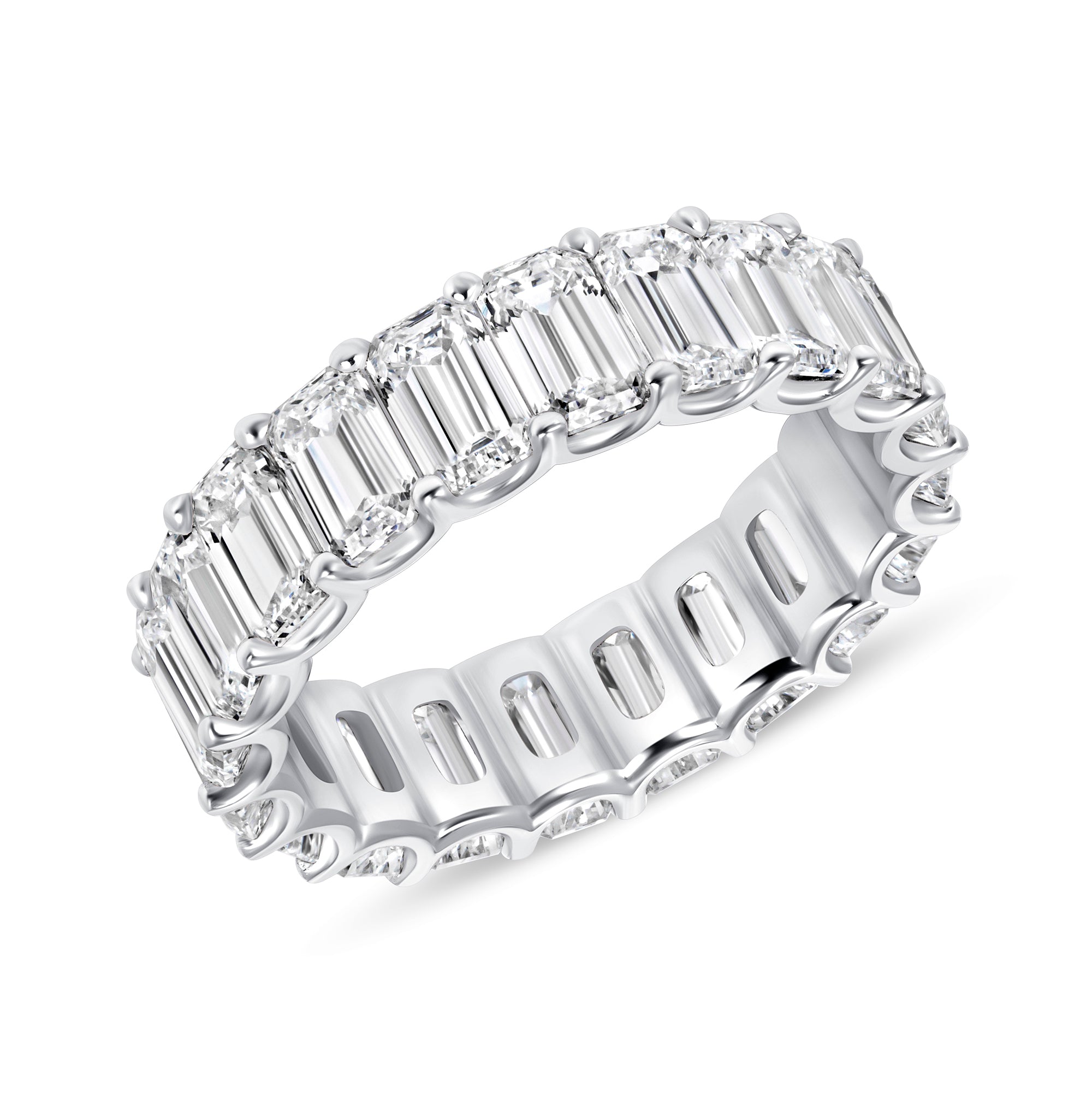
We work in lab-grown because it lets us make jewelry at a quality we would otherwise have to compromise on, solid 14K gold, D–E color, VVS2–VS1 clarity, IGI certified, at weights that would run into five figures mined.
That is a decision about what the piece should be, not a way of making it cheaper. See the range, or read whether lab-grown diamonds are real diamonds.